February 2

Henry Ford and the Jacksonville Ford Plant

Henry Ford revolutionised the way of travel world-wide.   The 1896 the quadricycle was the first vehicle on four bicycle wheels. It was powered by a four-horsepower engine.
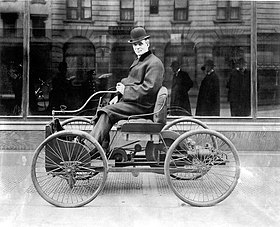
Ford Quadricycle- Photo- Ford Company

With 12 investors the Ford motor company was incorporated in 1903. By 1907, the inventor had the now-famous scripted “Ford” logo. 

HIs 1907, his first assembly line was in Highland Park, Michigan.  He purchased a 130-acre tract of land and would build a factory to speed up wheels on the ground.By 1908, the Model T automobile was introduced and the assembly line was set up to mass produce autos. From there the auto industry was on the move and on the rise. According to Whitehousehistory . org, “Congress appropriated $12,000 for the purchase of the first two White House motor cars despite heated protests”.  Pierce Arrow was the  first chauffeur for President William Taft.
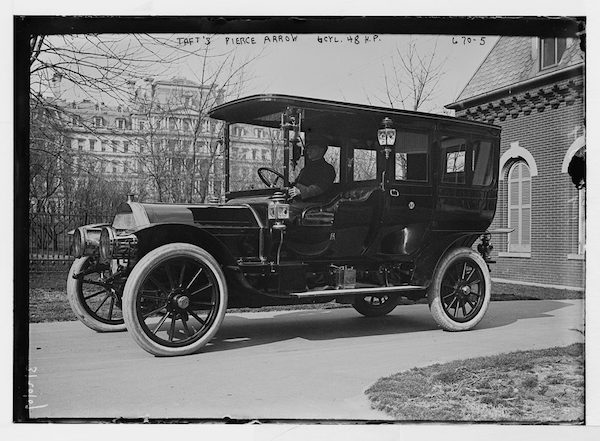
Whitehouse first car- William Taft- Photo- White House


Henry Ford was a busy man and traveled from place to place, even abroad.  In time he had as many as 31 plants . This was all before the Great Depression.

Ford traveled on Flagler’s Florida east coast railway and at the invitation of Inventor Thomas Edison took his wife Clara and son Edsel to visit Fort Meyers, Florida  They liked the vacation so well, Henry Ford bought a 2 story riverfront home there next to Edison.
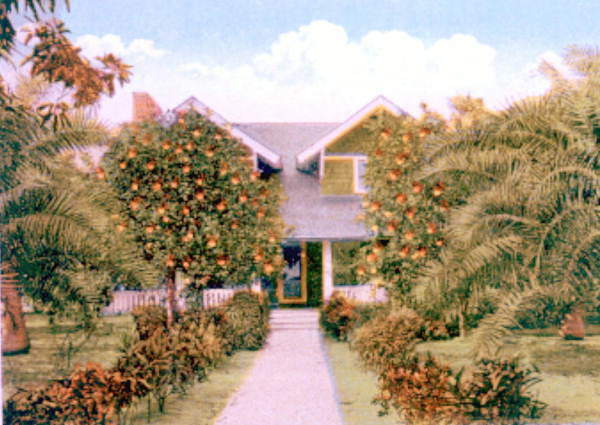
Ford Estate in Fort Meyers

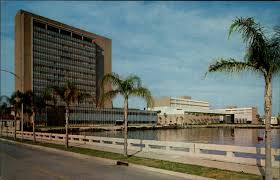
With the auto industry booming, factories were being made and in 1924 Jacksonville, Florida would join Charlotte, NC, Chicago, Il, Memphis, Tn, Salt Lake City, UT in having an assembly-line plant.  The Jacksonville, Florida factory was on the St. Johns Riverfront at 1900 Wambolt Street.  It served from 1924-1932.
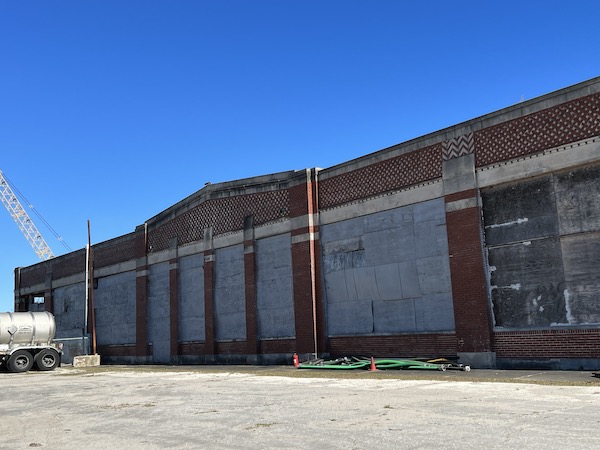
Ford Plant- Photo- 2022- Ramey

The Great Depression hit from 1929-1939 affecting so many businesses.  It is believed the boom of the 1920’s, a stock market crash, poor management of the Federal Reserve and other causes brought about this downturn.The Jacksonville, Florida Ford plant was one of them. This period of serious economic depression affected everyone and the auto industry was hit hard. The Jacksonville plant closed in 1932.  Over the years following, the land-area was used for parts and distribution which ended in 1968. From then until about 2015, various companies used the space including a wooden pallet manufacturing business.  
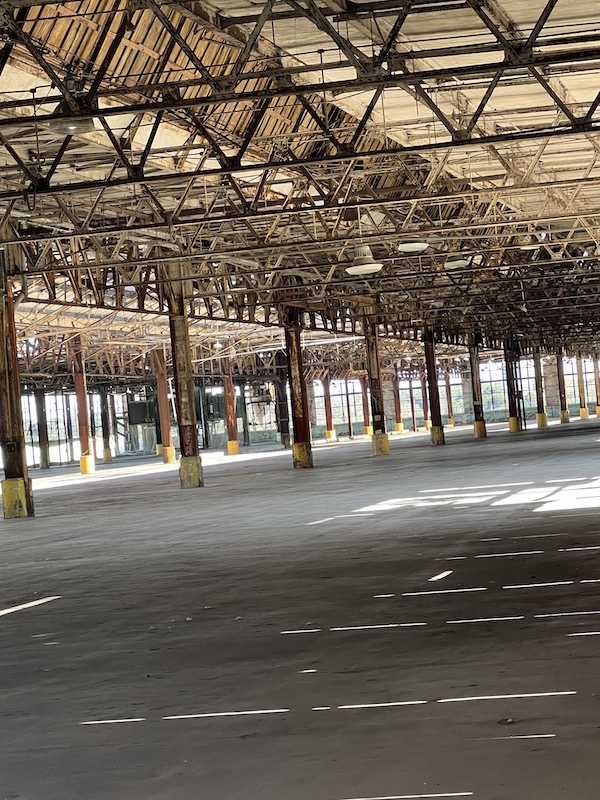
Ford Plant- 2022- Ramey

The Jacksonville Historic Preservation group was in hopes of saving the Ford Manufacturing plant naming it a designated local landmark in 2003. In 2015, the same year it was purchased  by Amkin Hill Street LLC, Henry Ford was inducted into the Florida Inventors Hall of Fame.  Over the years the factory building has been in disrepair and every day losing its former glory.
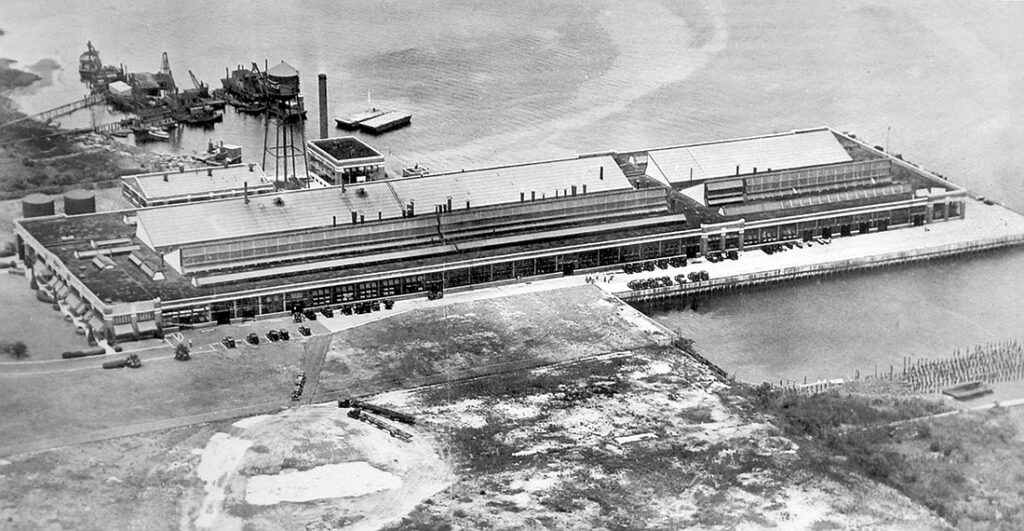
Ford Plant Jacksonville- Florida Memory

In October of 2022, Mike Mendenhall of the Jacksonville Daily Record announced that the “Jacksonville City Council will allow the owners of the historic former Ford Motor Co. factory in Talleyrand to demolish the 97-year old riverfront landmark for a possible maritime industrial redevelopment project”.  This was a sad day for the historians of Duval County.  

We’re living in sad days where our history is continually removed but , keep taking those photos so we can at least have the memories…..
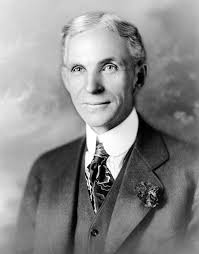
Remembering Henry Ford- Florida Memory

The original Michigan Ford Motor Auto plant remains in tact.  It was made a National Historic Landmark in 1978.

See you tomorrow,

Nan

Sources:  Ford Motor Company, Whitehouse. Org, Jacksonville Daily Record, Mike Mendenhall, Wikipedia, Personal visit to the plant-Ramey.2-2-23
January 29

Daniel Boone Was a Man…He Was a Big Man…

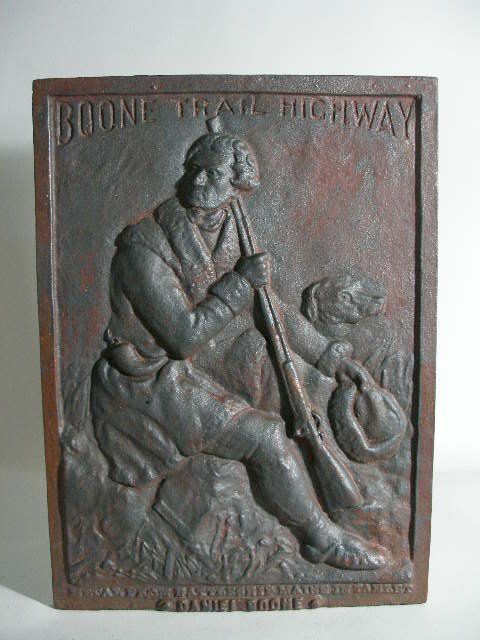
There was a metal monument of Daniel Boone, with his flintlock rifle and his dog placed on a stone at the corner of Bay Street in Jacksonville, Florida.   Times Union photographer, Bob Self took a photo of this monument while photographing and profiling the emptying of the 1958- year courthouse.  This Boone monument was placed at the corner of that building beneath a group of overgrown trees. I remember it well.

Sample of the Boone Monument.

Self, photographer for the Times Union newspaper, wrote that the plaque was placed at the courthouse built in 1902 in November of 1921. Later, it was moved to the 1958 courthouse.  I was a kid when I saw the one in Jacksonville, Florida and through the years, I remember seeing it when coming through the back doors with large, open glass at the old courthouse.  It was there when I had jury duty back some 10 years ago that we got on and off of the jury bus which took us to lunch.

The marker was placed at the corner of Bay Street by the Courthouse

According to Tommy Townsend who talked with J. Hampton Rich, the organizer of this plaque project,  he placed 358 of them from “Virginia Beach to San Francisco”.  Jacksonville, Florida got one but why?  No one really knows except, Daniel Boone was a folklore character.  He was born in 1734 and died in 1820.  Being an American pioneer, many still call him one of the “first folk heroes of the United States”. His fame of exploring and settling Kentucky, blazing though the Cumberland Gap and all the while dealing with the Indians. His story went far and wide and exploded for sure when the 1964 Daniel Boone television series came out.  Fess Parker played Daniel Boone.   Boone was known to be God-fearing and is said to have taken his  Bible with him on his excursions.  

It is unclear if Boone ever came to Jacksonville, Florida but his marker did and all because of the a campaign to keep the Boone name alive while highlighting and gaining members for the Boone Trail Highway Association.  The association would raise money, have monuments made and take them to those who celebrated Boone and his life by their gifts and donations towards the plaques. 

The 1958 courthouse was demolished and the new courthouse completed in 2012. The courthouse is gone. The monument is too.  I have now walked the current courthouse grounds at 501 West Adams Street to see if it was removed from the old courthouse and placed at the new.  I’ll keep you posted if things change but right now… no monument of Daniel.

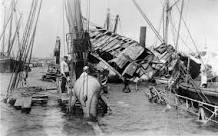
Each of the markers highlight the fact that the metal is “From Battleship Maine”.  The USS Maine (1889) was a Navy ship that sank in the Havana harbor which in simple terms help to bring about the Spanish-American war.  The metal was used from that wreckage to make the plaques.

Metal from the Maine was used….

Apparently, Rich started the “Boone Trail Highway Association” to promote highway projects and he said to keep live the name of Daniel Boone.  On HMdb. org, there is a “historical data base” that charts the Boone Trail Highway markers.  From topics and information, to locations, the list is quite extensive.  I did not see Jacksonville on the site though, so there’s that…..When I locate the Jacksonville Boone marker, I’ll up date you and them.

They say, even the great Babe Ruth was a member of his The Daniel Boone Highway Trail Association.  While Ruth may have been a member, I feel like the man in Hillsville, Va who wrote:  “We had no idea what Maine or Daniel Boone had to do with our town in Hillsville”.

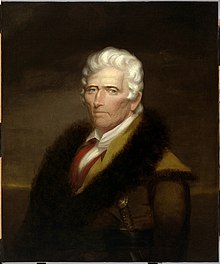
Chester Harding Portrait of Daniel Boone

There are many who feel that same way.  We really have no idea what Daniel Boone has to do with Jacksonville except for when we were  growing up we would sing his song:

Daniel Boone was a man Yes, a big man With an eye like an eagle And as tall as a mountain was he Daniel Boone was a man Yes, a big man He was brave, he was fearless And as tough as a mighty oak tree From the coonskin cap on the top of ol’ Dan To the heel of his rawhide shoe The rippin’-est, roarin’-est, fightin’-est man The frontier ever knew Daniel Boone was a man Yes, a big man And he fought for America To make all Americans free.

See you tomorrow,

Nan

Sources: Openplaques, Daniel Boone Trail Highway Association, Bob Self, Florida Times Union, Wikipedia, Theme song sung by the Imperials, personal visit. 1/29/23

January 27

Oliver Hardy and The Best Times in Jacksonville

In 1913, the singer/actor-obsessed Oliver Hardy of Georgia moved to Jacksonville in hopes to get a better opportunity in the film industry.  At that time, Jacksonville, Florida was a hub for making movies and the Lubin Manufacturing company that produced and distributed films was a part of that success.    At night, Hardy was a singer-actor and by day he worked at the Lubin Manufacturing Company, one that produced and distributed films.  Jacksonville was a place for the cinematography industry for filming after summer wore off and was called the “winter film capital of the world” at one point.  

Florida Photographic Collection

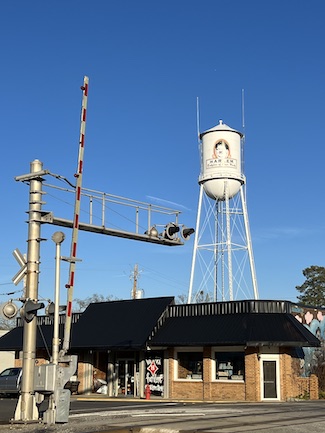
Oliver Hardy was born in Columbia County; Harlem, Georgia.  Today, that little town is growing in leaps and bounds with a population of over 3,000 people. Even as recent as yesterday, I saw logging trucks hauling off huge trees and the railroad tracks still rumbling from the sound of ingoing and outgoing train cars although there is no depot stop for passenger trains. In 1913, it is documented as having 10 passenger trains a day.   In 1835, the train tracks were being laid from Augusta to Eatonton. Harlem, Georgia was a stop but the last passenger train came through in 1983. Now it’s only commercial.  Interesting to me was that nearby there was a community called “Saw Dust”.

Oliver Hardy Water Tower- Photo-Ramey

From the account written on the Harlem city website, in 1857, a Medical College of Augusta, just miles away moved to the area and sold land for a dollar an acre. He donated land for the Baptist and Methodist churches and for a school; now Harlem Middle School.  Within 10 years, Newnan Hicks was known to quit his job for being asked to work on Sunday and thus wanted to have a town that did not sell liquor, moving down from Andrew J. Sanders, that process began and by 1870 the town was founded and named by a visiting New York relative from New York, thus “Harlem”. 

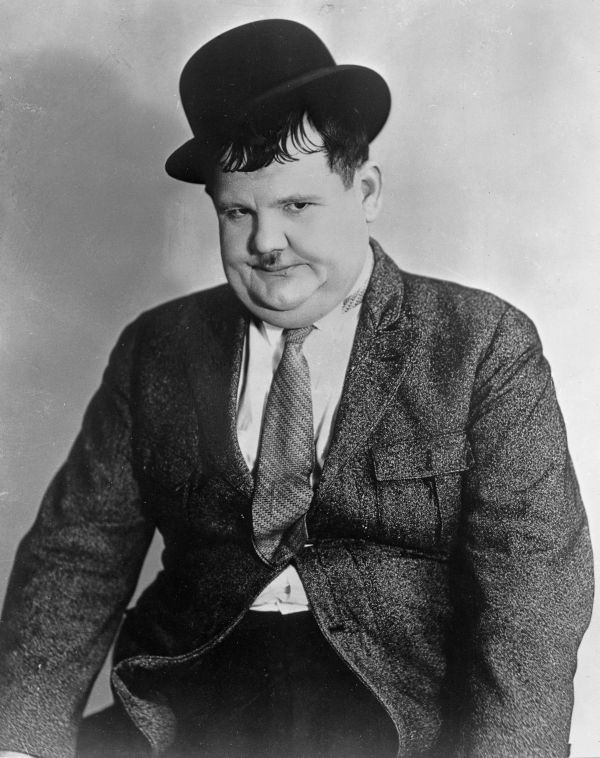
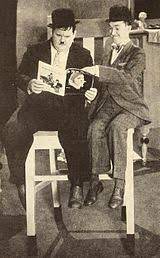
Laurel and Hardy-Wikipedia photo

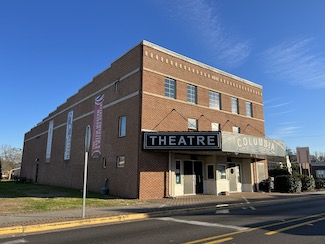
The theatre where Hardy and his counter part, Stan Laurel performed was right there along the train tracks.  I can imagine the whistle blew and rails rumbled time after time before, after and yes during performances. It is now a museum.

About the time Hardy moved to Jacksonville, he met and married Madelyn Saloshin, a pianist.  A Lubin facility was opened at 750 Riverside Avenue in Jacksonville, Florida.  Hardy played a small role in his first movie “Outwitting Dad”.  That was only the beginning of his career. He would team with Stan Laurel and make more than 100 comedy films.

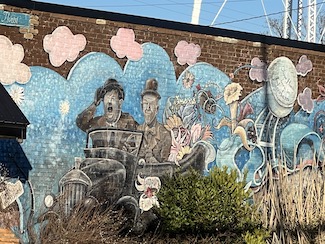
Oliver-Hardy Wall- Photo- Ramey

The Lubin Manufacturing Company, based out of Philadelphia was active from 1897-1916 with a studio in Jacksonville beginning in 1913. It was in the Lubin film company that Hardy was billed as “Babe Hardy and appeared in “ some fifty short” films. During those years, the company had legal battles with the Thomas Edison motion picture business, a “disastrous fire” at the main Lubin studio, destroying a great many negatives and World War II came causing additional losses.  All of these things brought about a bankruptcy in 1916 with the end of the company and the company closing completely. 

Oliver- Hardy Museum- photo- Ramey

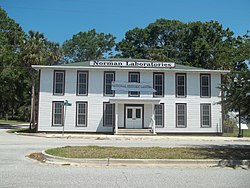
In terms of the film industry in Jacksonville, the Florida State Archives indicates that “the political atmosphere in Jacksonville turned against the movie industry due to accusations of fraud, ties to political corruption and fear of endangering the public welfare with elaborate stunt sequences.”  The movie era in Jacksonville was over and it moved to Hollywood California.Basically, the only thing left of the film industry in Jacksonville is the Norman film building but that’s a story for another day. 

Norman Studio in Jacksonville-Wikipedia

According to ta Tampa Bay story Oliver Hardy wrote in a letter to a friend, “”The best times of my life were spent in Jacksonville.” So, those must have been some good days.

See you tomorrow,

Nan

Sources: Silentera. Com, The Coastal, Wikipedia, Tampa Bay Times, Visit to Harlem 1/26/23.

January 26

Jacksonville and “The Ship of Gold”

Jacksonville’s involvement with “The Ship of Gold” tells a story of respect, love, fear, betrayal, riches and more. Life magazine called it “the greatest treasure ever found” but did the treasure show the greatest or bring out the poverty in most all connected?   After researching the story and finding the boat in Northeast Florida, the real question is, which is the “Ship of Gold?:  The SS Central America?, The Arctic Discoverer?, or the man who hauled a great bit of the gold away and then disappeared?  I’d say, all three.

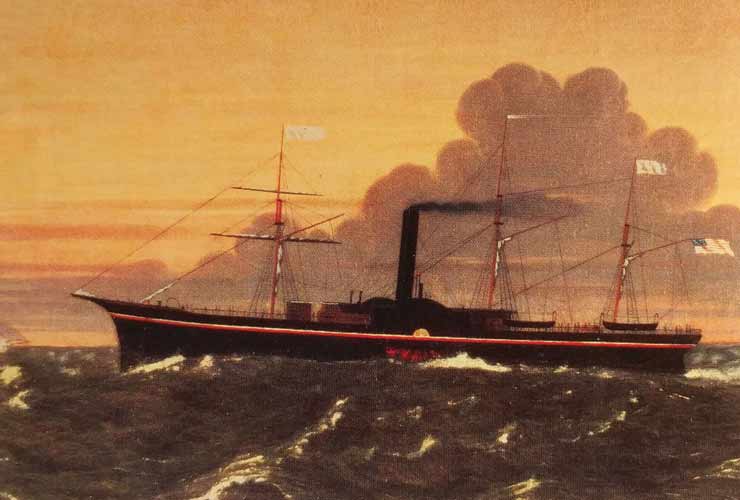
Contemporary painting of Central America ship

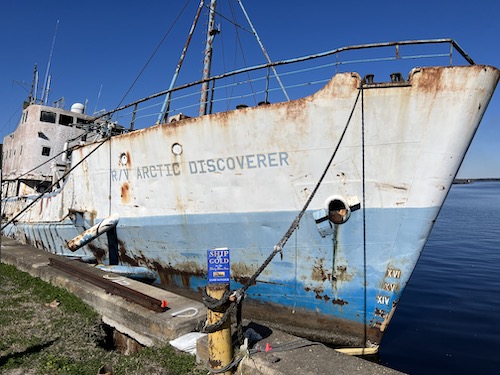
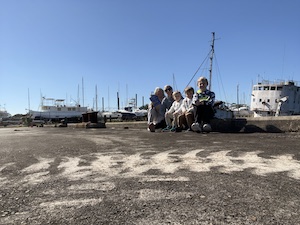
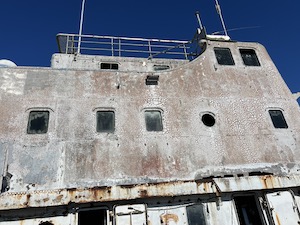
My grandsons are nine, four and four.  Knowing the ship was so near, it was a must-see, so we, their mother and me, did. Our nearby travels took us less than twenty minutes to see the Arctic Discoverer.  It’s basically, just down the road.  It’s an approximately 65 year old deserted boat along a dock in Green Cove Springs, Florida.  We all totally enjoyed the trip.  With Gary Kinder’s book in hand, we basically knew the story start to finish except for the details of what Thompson will now do.

Arctic Discoverer- Photo- Ramey

Over 30 years ago, the 180 foot ship was called the A.T. Cameron. It was then sold and renamed the Arctic Ranger when an investor seeking to help Thompson’s exploration bought and repurposed it. He brought it to Jacksonville, and Green Cove Springs, had it painted light sky blue and white and for a “nominal” fee, rented it to Thompson for his exploration.  Thompson and his crew  took it to sea to find gold and lots of it.  Along with it, they took a, what many called a “miraculous” 12,000 pound underwater robot named Nemo that could be deployed remotely.  The trip was orchestrated by  a young Tommy Thompson,  an engineer who had a passion and drive to hunt down and find the sunken ship, SS Central America.

Ship of Gold- Photo-Ramey

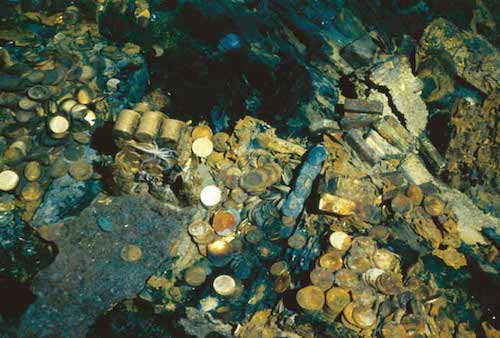
September 1857 the Central America ship carrying some 600 passengers was returning from the California Gold Rush when it sunk off of the coast of South Carolina due to a hurricane.   Over 20 tons of gold, other treasures and some 400 lives were lost.

Ship Gold- Recovery Limited Photo

In 1985, Tommy Thompson, with his company, Recovery Limited Partnership, set out with a group of 141 investors to discover and find the Central America . The plan was to recover the treasures lost.  He and his team used “Nemo”, the underwater vessel along with other recovery equipment to find and explore the bottom of the sea where it sunk. Using special computer equipment and savvy methods for capturing such , including robotics and far-advance oceanography tricks to the trade, the team not only found the Central America but was able to bring up a great amount of items from the wreckage including luggage, documents, the ship’s bell and millions of dollars of gold coins and gold bars. 

By 1989, the crew discover the shipwreck bringing great attention to this disaster. After this incredible find, over 35 insurance companies sued Thompson saying their policies gave them rights to the gold. Through years of litigation, and continual protection of the shipwreck site, Thompson and his company were rewarded  92 percent of the recovered gold  with the remainder to pay insurance companies.  Within two years, Thompson sold his companies’ portion of the gold to California Gold Group for $52 million

Investors cried foul and said that Thompson never returned their investment money thus there were further lawsuits against Thompson.  High profiled businessmen sued him including The Dispatch Printing Company, directors of the Columbus Exploration group and Donald Fanta, an investor along with nine technicians who helped with the discovery.

The Arctic Discover in 2023- Photo- Ramey

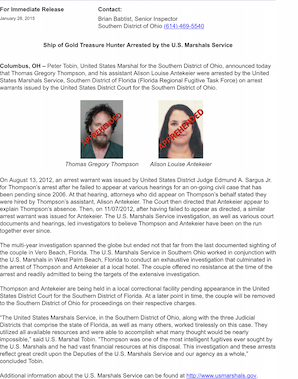
In March of 2012 Thompson filed for bankruptcy but the filing was dismissed. It was then that Tommy Thompson did not show up in the next court session which prompted an arrest order.  Thompson and his girlfriend Alison Anterkeier disappeared and for at least two years their whereabouts were unknown.  According to The Columbus Dispatch, the resident going by the name of Susan Owens was actually Alison, the manager of the motor lodge, Virginia said. She moved there after being a no-show for a court date. This information came out in federal papers in June of 2015.

It was in  January of 2015 also that, Thompson and Anterkeier were found in a Hilton hotel in Boca Raton. Those involved in the case said they had been paying cash for their living expenses.   They were arrested and jailed.  Thompson’s girlfriend, Alison spent a month in jail and then released. 

In 2018, Thompson said he did not know where the gold was.  That same year, the judge ruled that what artifacts were available could be sold and the $19.4 million in damages could go to the plaintiffs. 

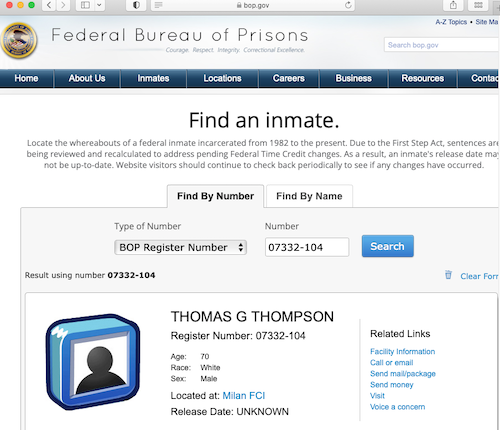
Thompson has remained in jail since the arrest and being unwilling to tell where the gold is to this day.  He is being held in a federal detention center in Milan, Michigan according to news organizations . When searching his name under “inmate”,  there is no release date listed.

Did Thompson bury the gold in Boca? Green Cover or even Jacksonville?  If you read the court transcripts you might find out. Some say he’s given hints.  If you find the gold, it would be yet another “great treasure find” pertaining to the “Ship of Gold”. The Arctic Discoverer is at present docked just outside of Duval County city limits.  

See you tomorrow,

Nan

Scripture for the day: “Thou Shalt Not Steal”. Also

Exodus 20:16 — “Thou Shalt Not Bear False Witness Against Thy Neighbor.”

There is probably more to this story that we don’t know.

Sources:  Columbus Dispatch, Ship of Gold, Gary Kinder, Coinworld, Odyssey Marine, Recovery Limited, Wikipedia, Personal visit.1/27/23

January 22

Elvis Has Left The Building

He has not left Jacksonville….

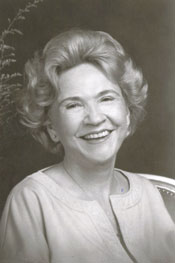
Mae Boren Hoyt was the co-author to the famous pop-artist, Elvis Presley’s first RCA Singles hit, “Heartbreak Hotel”.  It was in Jacksonville, Florida on the Westside, on Dellwood Avenue in 1955 that she and guitarist Tommy Durden put the tune together.  Durden had seen a sad situation concerning love and heartbreak and got with Mae. The two put together the song.

Mae Boren Hoyt-Publicity Photo

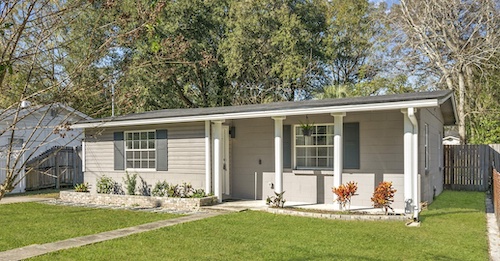
Through a turn of events, I was interested in finding the home where the song was written.  After a little research the house was found. On a stroll down Dellwood Avenue  on that day, it was as I expected, a small 1,288 Sq Ft home, 3 beds and 2 baths.  It sold February 28, 2022 for a whopping $298,812.  Because of the high price, I wondered if the buyer knew that Elvis had been in the building?

Listing photo

On You Tube, there are several interviews with Mae and other artists; one being Elvis.  It was obviously one of his first interviews, if not his first, and he told about his humble beginnings and thanked her for her support and willingness to “have his back”.

Mae Boren Axton was born February 9, 1914 in Texas.  She died August 4, 1997.  Her claim to fame was, while living in Jacksonville, she co-wrote Heartbreak Hotel with Tommy Durden .  The day after the writing, she pitched it to Elvis. He liked it and it was the song that brought the two of them into the limelight launching both of their careers.

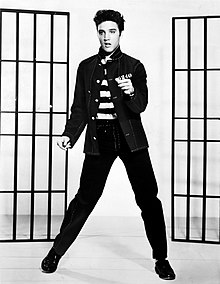
1956 Promotion Photo

Before meeting Elvis, Mae met and married John T. Axton, a Navy officer. They moved to Jacksonville, Florida where he was stationed in 1949.  Later, Axton became the first coach at Paxon High School and Mae, on occasion substituted as a teacher having her bachelors degree from University of Oklahoma.  Mae also taught at DuPont and Lee High Schools.  While she taught school, her focus was on music and writing.  Over the years she would work with:   Mel Tillis, Reba McEntire, Willie Nelson, Eddy Arnold, Tanya Tucker, Johnny Tillotson, and Blake Shelton.

The success of Elvis music and launching both of their careers, Mae named her music Company “Dellwood Music”, it is believed, after the street on which she lived.

Jimmy Tennant, also called Jimmy Velvet, a friend of hers and one  who lived in the same Jacksonville neighborhood met Elvis through Mae and had a life-long friendship with him.  He spent time on American Bandstand and managed other singers, even having his own popular singles, “We Belong Together” and “Its Almost Tomorrow”. There is also a long list of other songs he has performed.   In an interview with him, “Spa Guy” confirms a lot about Elvis and his time in Jacksonville, Florida and on Dellwood Avenue.

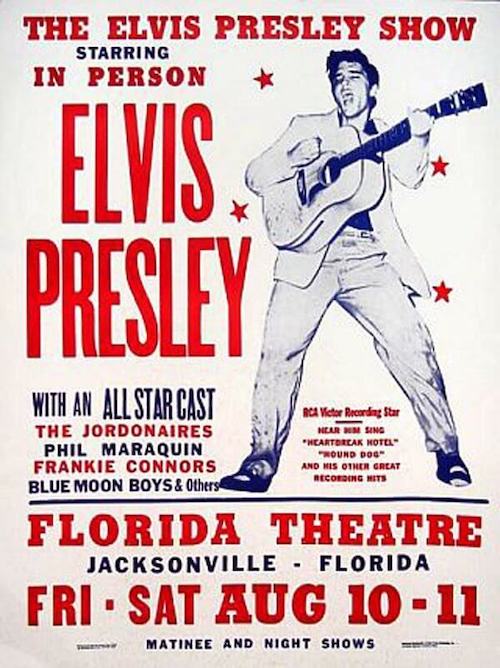
Elvis performed in Jacksonville August 10 and 11, 1956.  His last performance was May 30, 1977 at the Jacksonville Coliseum.  It was his 5th performance in Duval County and his last.

Credit: Jacksonville Historical Society

Elvis Presley died August 17, 1977.  While Elvis has left the building, he is still in the hearts and minds of many of Jacksonville who went to see his last performance. The Times Union reported over 10,000 fans went.  Were you there?

See you tomorrow,

Nan

Sources:  Jimmy Velvet, Spa Guy, Wikipedia, JHS, Jimmy Velvet,

January 10

Granny Lee- Pioneer and Possum

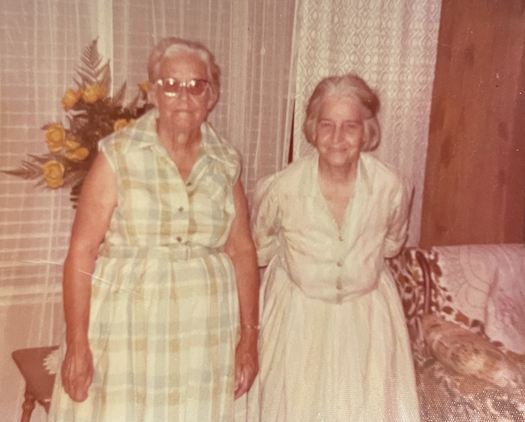
When I think of “Granny Lee” as most everyone in the neighborhood called her, my mind goes to a true pioneer woman; gardening, blue berries, hard work and possum for supper.  Even though she was no actual relation to me, while growing up, I visited her most every day, especially in the summer.  She had a hitching’ post for my horse and on occasion helped me wash him down.  Smokey, actually my brother Pat’s horse, was my prime mode of transportation from the age of 7 until my teen years when my parents bought me a used English racer.  

Aunt Irene and Idell. Photo- Missy

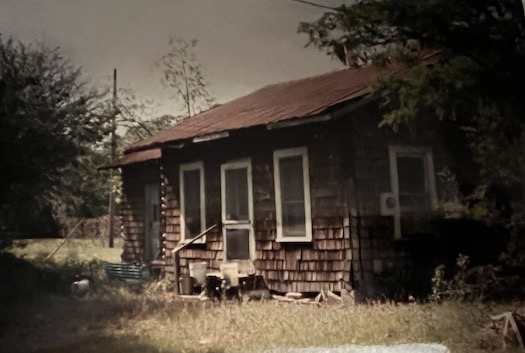
At Granny’s, my bike was parked in the same spot of where Smokey would stand. I enjoyed my bike but it was Smokey that I used the most, even as a teen.   Smokey had a “B-line” to Granny’s log cabin, which was to turn left on Crystal Springs and at a fast pace, ride through the crowded pine tree field near the blueberry patch she managed and kept. 

Ezra and Idell’s log cabin, Photo- Ramey

Idell Virginia Highsmith Lee was born in Waycross, Georgia on December 23, 1906.  According to Find a Grave, her father, James Carswell Highsmith married Minnie Slatery. Find a Grave has her having one sibling however, her grandson said there were two brothers, Benjamin and Hope and a sister Lillamay. Granny married Ezra Marmaduke Lee on April 19, 1923 at the age of 17 in Duval County, Florida. Her husband and brother are buried at Evergreen Cemetery in Jacksonville, Florida.  Her parents are buried at Oaklawn Cemetery on San Jose Blvd.  Granny and Ezra had one son, James. He had as many as 6 children. Her property, far more than 18 acres was located on the west side of Duval County.  I remember James as a happy, jovial person who would gather with a ton of folks to play guitars out by Granny’s wooden home. I feel that I play guitar today because of my interest in their yard-jams back-in-the-day. James was quite an entertainer back then.

James Lee, Photo from Missy

While I never met her husband, Ezra, I heard a great deal about him for her love for him was strong.  After 39 years of marriage he died on July 25th, 1962.  Together he and Idell established a nice homestead with a great many acres of land, so she was comfortable in her life going forward.  She also owned an “uptown house” on Marquett Avenue as her great granddaughter, Melissa Lynn called it, which has been her home for over 33 years.  She says that Granny preferred the country and loved that old log cabin opposed to an “uptown” house.   

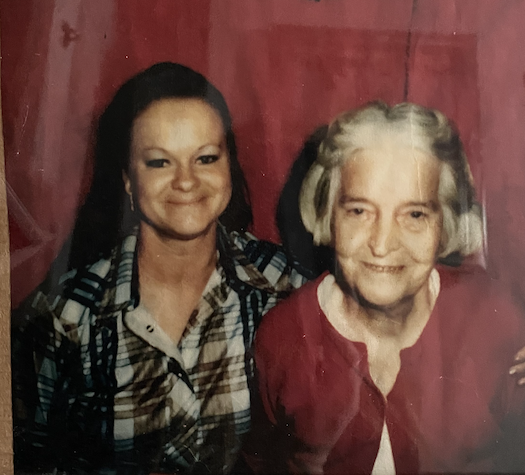
Linda Lee and Idell, Photo- Linda(Grandson Stephen’s wife)

When visiting Granny on her property, she always had a spring and fall garden.  She was a hard worker and had a “can do” attitude.  With grandchildren living next to her,  she spent a lot of her time caring for them as well.  One thing odd about her, was her taste and raised in the country in Georgia there should be no surprise.   There are times she would have possum in the refrigerator and I saw with my own eyes her skin one using boiling water and a knife. Now, that’s not a sight for the squeamish.  I never ate anything out of her refrigerator that I didn’t ask what it was.  ‘ Just sayin’.

Granny was a Christian and behaved like one.  As a young person, she talked to me about Jesus and for years attended Blair Road Baptist Church, now called Promise Land.  In her older years, when her car sat on blocks in the front yard, she rode their neighbourhood bus to and from church.  

Somewhere around 1990 as she was needing help getting around, she moved in with her eldest grandson Stephen Lee, Sr. and his wife, Linda in Lake City, Florida. When she died in August of 1996 she was buried next to her beloved Ezra at Evergreen Cemetery. I visited there last week and researched to see she had a December 23rd birthday which is not on her tomb stone.

If you ride by her old property on Crystal Springs Road in Jacksonville, Florida, there is now a subdivision with $300,00 homes sitting where the old log cabin once stood. There are many memories there for me. I will forever remember Granny Lee and look forward to meeting her again one day in glory.

See you tomorrow,

Nan

Sources: Missy Lynn, Stephen Lee, Sr., Find a Grave, Evergreen Cemetery

January 7

Go To The Alhambra Dinner Theatre. You’ll Think You’ve Seen Patsy Cline

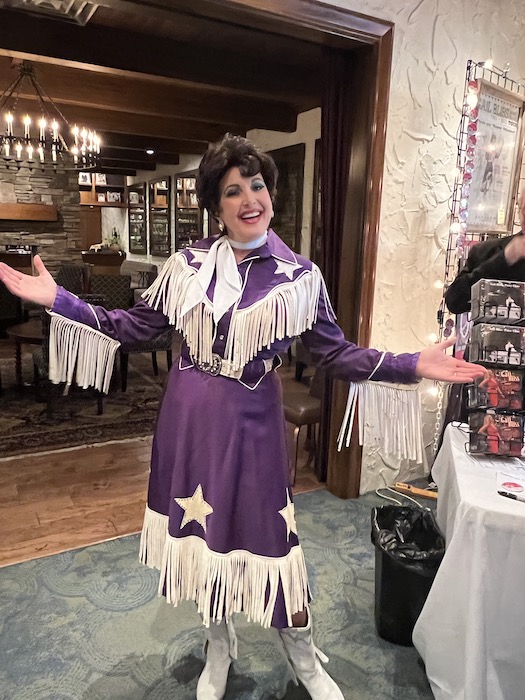
Gail Bliss as Patsy Cline

For real.  If you book a dinner at the now known “longest running dinner theatre in the Nation”, the Alhambra you can hear the work of the 1960’s singer, Patsy Cline. You’ll think you’ve seen her. For sure, you will have heard her famed music. You’ll find yourself singing along.

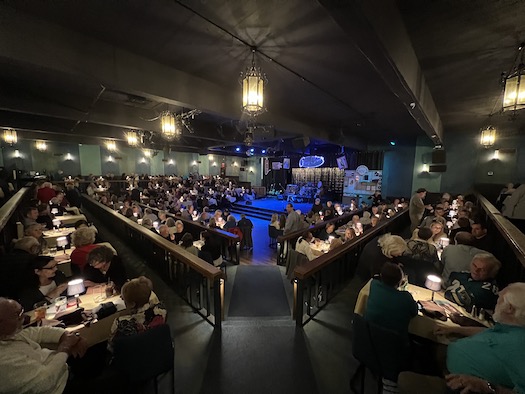
Alhambra Theatre since 1974

Gail Bliss stars as the famed singer in “A Closer Walk With Patsy Cline” from January 5 to February 5th.  This is to be her “Farewell Tour” so don’t miss this opportunity. There are other shows up and coming as well,  so give it a try.  It will not disappoint.

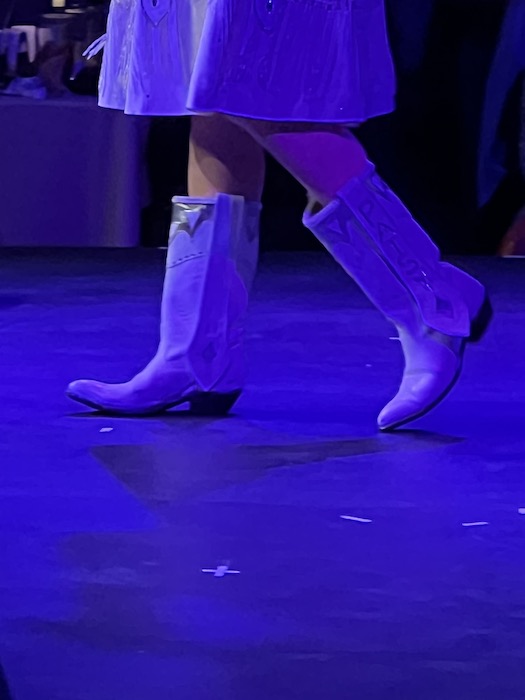
Patsy Cline Boots to be hung up after this tour

Alhambra Dinner Theatre, 12000 Beach Blvd, Jacksonville, Fl. (904)641-1212

See you tomorrow,

January 6

Isaiah D. Hart’s Westside Plantation

(About 1840 near now called Marietta)

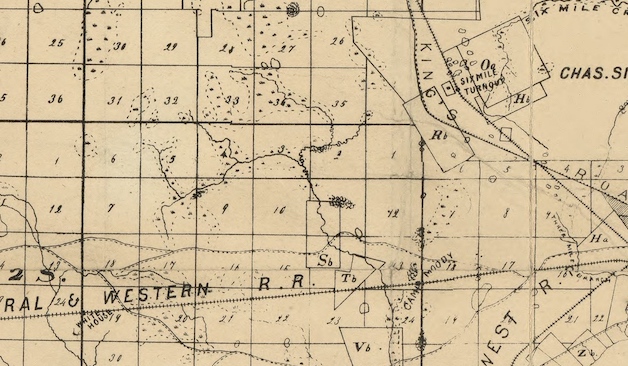
Isaiah D. Hart, the founder of Jacksonville died September 4, 1861 at the age of 68.  He was born in Georgia before moving to King’s Ferry along the St. Marys River .  He came to the Cowford, (former Jacksonville),  planned and had platted the area into streets and a township in 1822.   T. Frederick Davis, author of History of Jacksonville wrote:  “At one time or another he owned nearly all the land now known as the old city, and the most of Springfield”.  We know he also owned property in West Jacksonville out by Bulls Bay as documented in old records, by former historians and recently online at Wikitree.

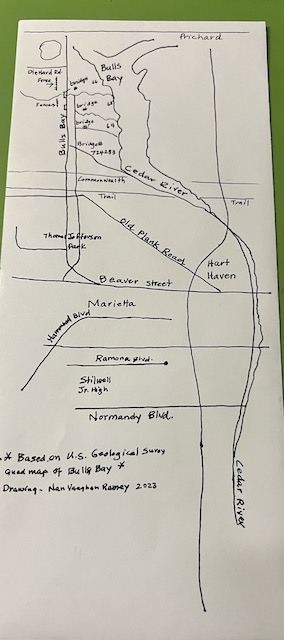
Geological map, Florida Memory

It is believed that he had seen the business of Dawson and Buckles near the St. Johns River where two men who opened a general merchandise store and were finding success being near the place where people crossed, fording cows and the like.  Hart purchased 18 acres of land in the area and established a town, now called Jacksonville, Florida. 

Map based on trip to area 1-5-23
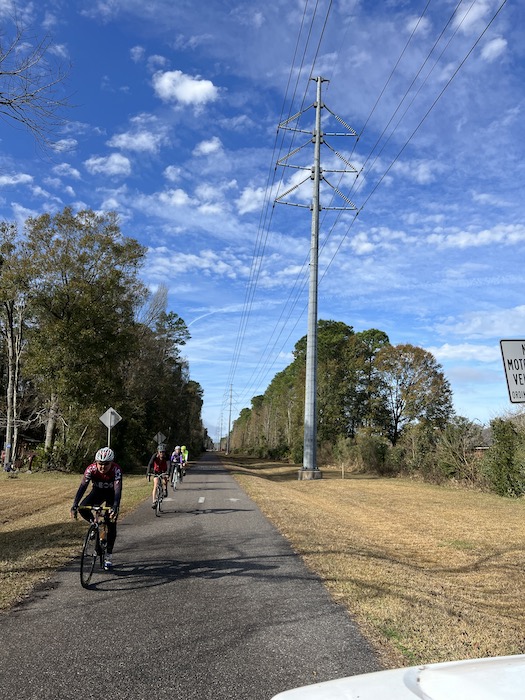
As a young man, Hart was in favor of Spain returning Florida and joined in the Patriot raids which “raided Florida plantations for slaves and called and drove them northward into Georgia selling them”. About that time he married Nancy Nelson and as the United States took control of Florida Hart was busy securing land in the Cowford and other Florida areas beginning to make his fortune.

By 1840, Hart and his family were living on his Paradise plantation in West Jacksonville. According to a census taker in 1850 he was named as a “planter” with his estate being valued at $35,000 having 48 slaves(21 female and 27 male). By 1860 his owning had diminished having 12 female and 14 male slaves.  

Hart had 8 children and at his death his son Ossian was assigned to settle his estate. Ossian chose to live at the plantation Hart owned on the outskirts of Jacksonville near Marietta in now West Jacksonville even though Isaiah had other property.  These were Civil War years and change was on the rise. 

The Civil War began in April of 1861 and with Hart’s passing in September of that year, times were beginning to change even in Florida. By the 1860’s, Hart was quite established. 

The Civil War and the battle about emancipation was on the minds of many. Although two of the most significant battles did not occur in Florida until 1864 near Olustee and Lake City, Hart’s ,Paradise Plantation in West Jacksonville was only 40-50 miles from those battle areas.  Change was on the rise.

Only 4 years before his death, in 1857 Hart added all of his property holdings to the Jacksonville map and established a public square. After his death the family deeded the village green which was known as City Park to the city.  In 1800 Civil War veteran Charles C. Hemming installed a 62 foot tall confederate monument and the park was renamed Hemming Park about 1898 and remained so until the unrest of the police killing of George Floyd.  This sparked outcry nationwide.  In 2020, the City Council voted to change the name of Hemming Park to James Weldon Johnson Park in honor of a former Black Jacksonville musician and “accomplished resident.”   

Ossian, Hart’s son had been born in Jacksonville in 1821. He was educated in Jacksonville and Washington, Dc according to the Governor’s Association. He studied law and was admitted into the Florida bar.  Serving in the Florida Legislature as a one-term member in 1844 he became Florida supervisor of elections and helped in the restoration of the state.  Hart was a Unionist and avoided the Confederate army due to medical concerns.  When his father died, he managed his father’s property dividing the estate. His father was one of the richest men in Florida owning stocks in” the Florida, Atlantic and Gulf Railroad, the Jacksonville Natural Gas Company, the Banks of St. Johns County a steamship line, a great amount of property and 53 slaves”  From that time of 1861 until after the Civil War, he worked in government serving in 1873 on the Supreme Court. He was elected the 10th Florida governor.   Ossian’s position on slavery was in helping them and offering freedom as he managed his Father’s 30 year old plantation estate. 
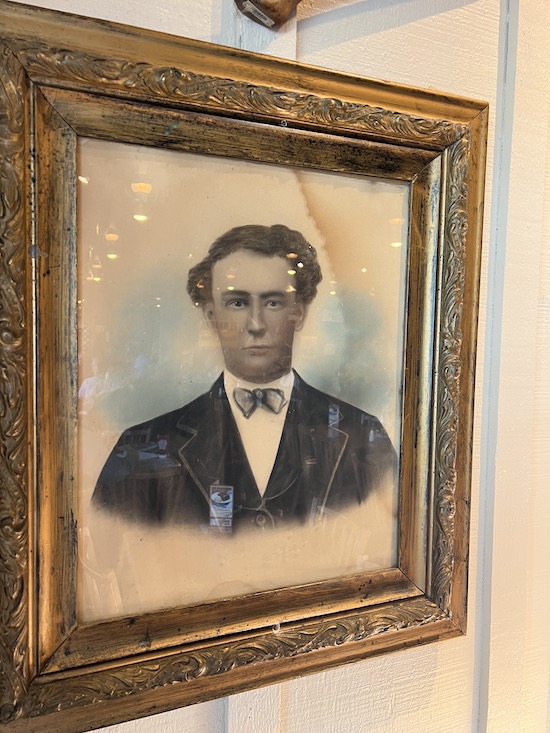
It is said that Hart’s slaves were freed after his death and when his son served as governor worked in an effort to help with the freedmen and new accomplishments and freedoms for Blacks.  For example, Ossian Hart appointed the first Black superintendent of public instruction, Jonathan Gibbs during the Reconstruction era. 

Ossian Hart came down with pneumonia while serving as Governor and died in office on March 18, 1874.  He is buried next to his father in Evergreen Cemetery in Jacksonville, Florida.

There’s so much more, so….

See you tomorrow,

SourcesL The Governors Association, Wikipedia, Ancestry, Canter Brown, T. Frederick Davis, Wikitree, Geological map, Florida Memory.

January 5

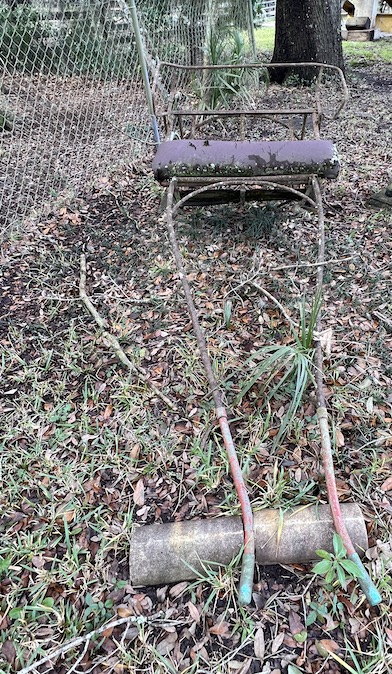
Could That Be Isaiah D. Hart’s Wagon?

Indeed it was not but I could visualize just the same.

Found in the yard of Lachapelles off Bulls Bay Rd.

I felt as if I might have found a remnant of the old Isaiah David Hart Plantation which was called “Paradise” and located West of Bulls Bay in West Jacksonville, Florida in the 1800s. Of course, Hart himself would have more than likely been riding on a wooden buckboard, buggy or carriage. Hart established the town of Jacksonville, Florida along the River St. Johns in 1822.  He is counted by many as the actual 7th resident in the city and his brother, Daniel being the 8th but Hart is most known for being responsible for platting the city and having the streets laid out for an actual town which was called Cowford .(There are some who say the 2nd resident but…). Cowford, as it was called, was at a narrow place in the river. Its renaming was later suggested by John Warren to be named after Andrew Jackson the first provisional governor.  Hart grew the area and later had a thriving Plantation West of Jacksonville in near-now called Marietta. 

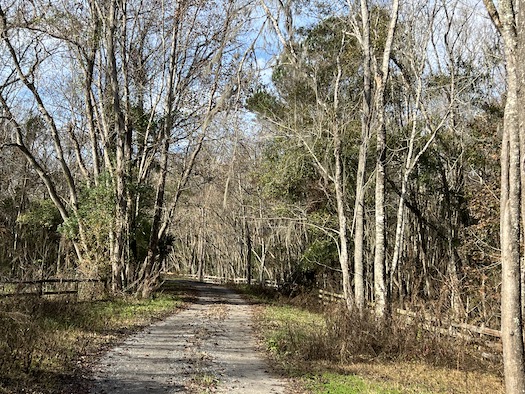
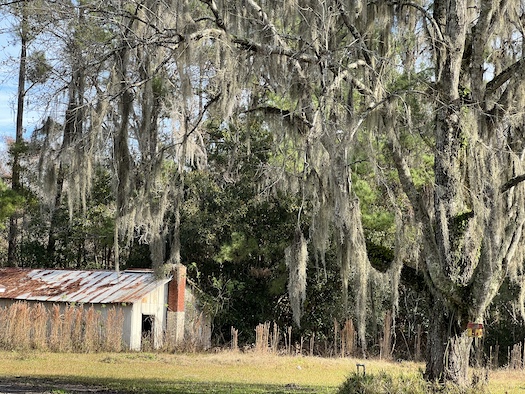
Today, I witnessed tall and I mean huge pine trees, willowing moss hanging from the massive Oak trees, dirt roads and several tributaries seemingly flowing from the Cedar River. Birds of every kind, especially blue jays, were talking among themselves and flying all around.   All of those were marked items describing Hart’s former, some 2,000 acre plantation. There was no obvious log cabin or out-buildings built in the mids 1800’s  that were present in today’s visit to the Bulls Bay area, but there was a buggy that I could definitely envision Hart or maybe his son, Ossian, who also lived on this land and was the 10th Governor of Florida riding in. (I am quite sure that was not his either but I still could envision it). 

Over the years, this rural area has been used for sand excavating, sewage disposal, solid waste, borrow pits, drainage, reservoirs, waste land, marsh, swamps, animal out-growth, and of late, a slew of trucking and auto businesses tucked often on dead-end streets along Bulls Bay, Commonwealth Avenue and Prichard Road. The majority of the land though is pristine and unbothered.  There are acres and acres of tall timber and agricultural promise.

This seems to have been built in the 1920’s or later-

In 1999, the City of Jacksonville purchased 1,222 acres which is now called Bulls Bay Preserve.  There are a lot of wetlands, and tributaries from the Trout River, Ortega River and Cedar Creek waterways. 

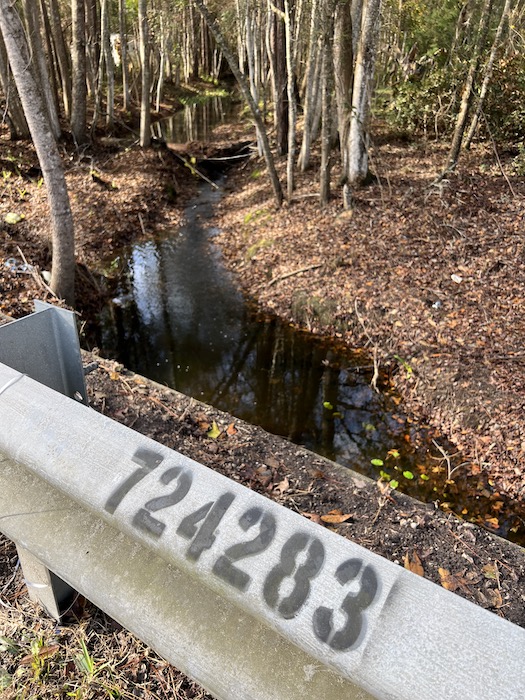
Bridge/water way # 724283

The Baldwin- Rail Trail is on the edge of this area with opportunities to hike and ride mountain bikes in flat Florida.  There is even a “small waterfall” which is highlighted on the JaxParks page.

Walking/Biking trail running East and West parallel to commonwealth.

You are encouraged to visit the area where Jacksonville ’s founder once lived.

See you tomorrow,

Sources:

JaxParks, Visit Jacksonville, Jacksonvilleblogger.com, Wagon- Guy Lachepelle

Go visit:  8017 Old Plank Road, Jacksonville, Florida 32220

Category: Business, Neighborhoods, Parks, People, Visit This | Comments Off on Could That Be Isaiah D. Hart’s Wagon?
January 2

Is Isaiah D. Hart, “Uncle What’s His Name?’

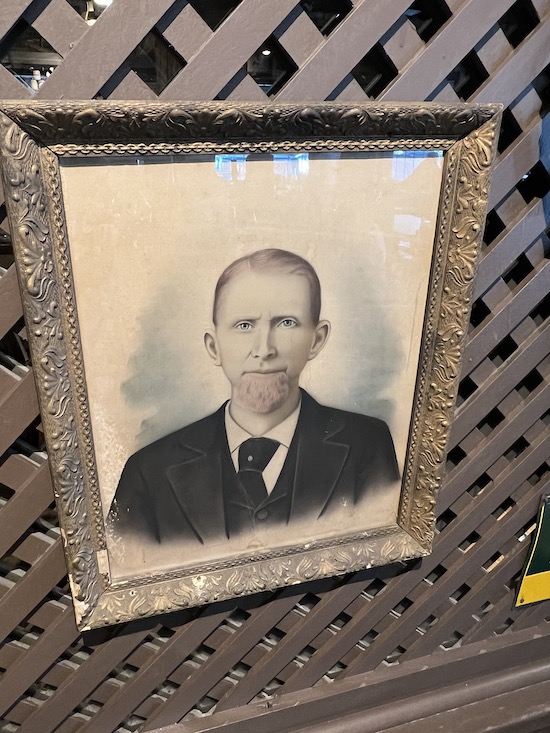
Isaiah David Hart is the Founder of Jacksonville, Florida with no known photo.

“Uncle Whats His Name”-Cracker Barrel

Sisters Pat and Marien formerly of Jacksonville, Florida used to talk about “Uncle What’s His Name”.  It seems there was the photograph in a fancy frame of an unknown man on the wall of a prominent relative of the family for which no one knew his name. It apparently hung on the wall for many years to the point that it became funny to relatives and friends alike,  as they walked towards, by and around this unknown soul. They called him “Uncle What’s His Name”.

Uncle “What’s His Name- Cracker Barel

Sometimes I wonder about Isaiah David Hart, the founder of Jacksonville who married Nancy Nelson in Duval County in 1818 according to the records.  Could his mug be on the wall of some family member and they not know he’s the actual founder of Jacksonville, Florida?  There is no known photograph of him and many historians like myself have tried endlessly to find one.  And, why is there no photo?

Isaiah  D. Hart was a prominent man who held not only a great deal of power but held high offices in Jacksonville and Florida.   His father’s family was  from Pennsylvania and he died in St. Johns County.  His Mother was from Loudoun County, Virginia. Both are buried in Jacksonville’s Old Cemetery. Hart’s Mother birthed four children according to Find A Grave but some say twelve children. There are no family photos among many youngins’ and their families?  

According to Find A Grave, Hart himself had 7 children but I don’t see Julia listed so even that history is sketchy.  Those listed are:  Oscar B. Hart, Ossian B. Hart, Laura C. Hart Farrar, Lodiska Hart Beers, Isaiah David Hart, Daniel William Hart and Nancy Hart.  Of those 7 children only one has a photo on the grave listings and that is of Ossian who became the 10th Governor of Florida in 1845.  Was Isaiah or any of his siblings at this inaugural event and if so where are the photos?

Isaiah David Hart wore many hats…He was a planter, ranch owner, plantation owner, slave trader (not to his credit), Deputy U. S. Marshall in East Florida, Clerk of County Court in Duval, Commissioner of piolatage, railroad investor, 1939 member of the Whig Territorial senate and one of the founders of the Whig party.  His children held different and various jobs in the city of Jacksonville and Ossian was the 10th Governor of Florida. Where in the world are the photos of this man, surely someone has at least one?

Could there be a photograph of Isaiah David Hart on the wall of some family member with them all calling him “Uncle What’s His Name”? I certainly wonder…..If you solve this, I’m in need of this photo. Please contact me…..

UPDATE: In Dena Snodgrass’ article in the JHS, Volume V “Papers”, she writes…”Listed among his belongings were a clock and a watch at $100. each; a portrait of himself at $25….” SO, there was a portrait of him at some point. I wonder on whose wall it can be found as “Uncle What’s His Name”?

See you tomorrow,

Sources: Florida Memory, Wikipedia, COJ., Jacksonville Historical Society Papers, Vol. V, Photos- Cracker Barrel Restaurant- 1-2-23